



I still encounter business owners who tell me they don't need a website because they "have Facebook" or "get all their clients through word of mouth." And every single time, I resist the urge to show them the data — because the data is brutal. In 2026, not having a website isn't just a missed opportunity. It's a credibility signal that something is wrong.
Your website is your digital address. It's where people go to decide if you're real, if you're professional, and if you're worth trusting with their money. Let me walk you through why this matters more than ever — and what happens to businesses that ignore it.
The "First Google" Moment Has Changed Everything
Remember when word-of-mouth meant someone told a neighbor? Today, word-of-mouth goes digital almost instantly. A friend recommends your restaurant — the other friend Googles it within seconds. A client mentions your accounting firm — the prospect checks your website before picking up the phone.
This "first Google" moment is where first impressions are made now. Not at your door, not on the phone — on a screen, usually a mobile one, often while someone is doing three other things. If they find nothing, they move on. If they find something outdated, they hesitate. If they find something professional, clean, and informative — you've earned their attention.
A website works for you 24 hours a day, 7 days a week, 365 days a year — even when you're asleep, on holiday, or in a meeting.
What Your Website Actually Does For Your Business
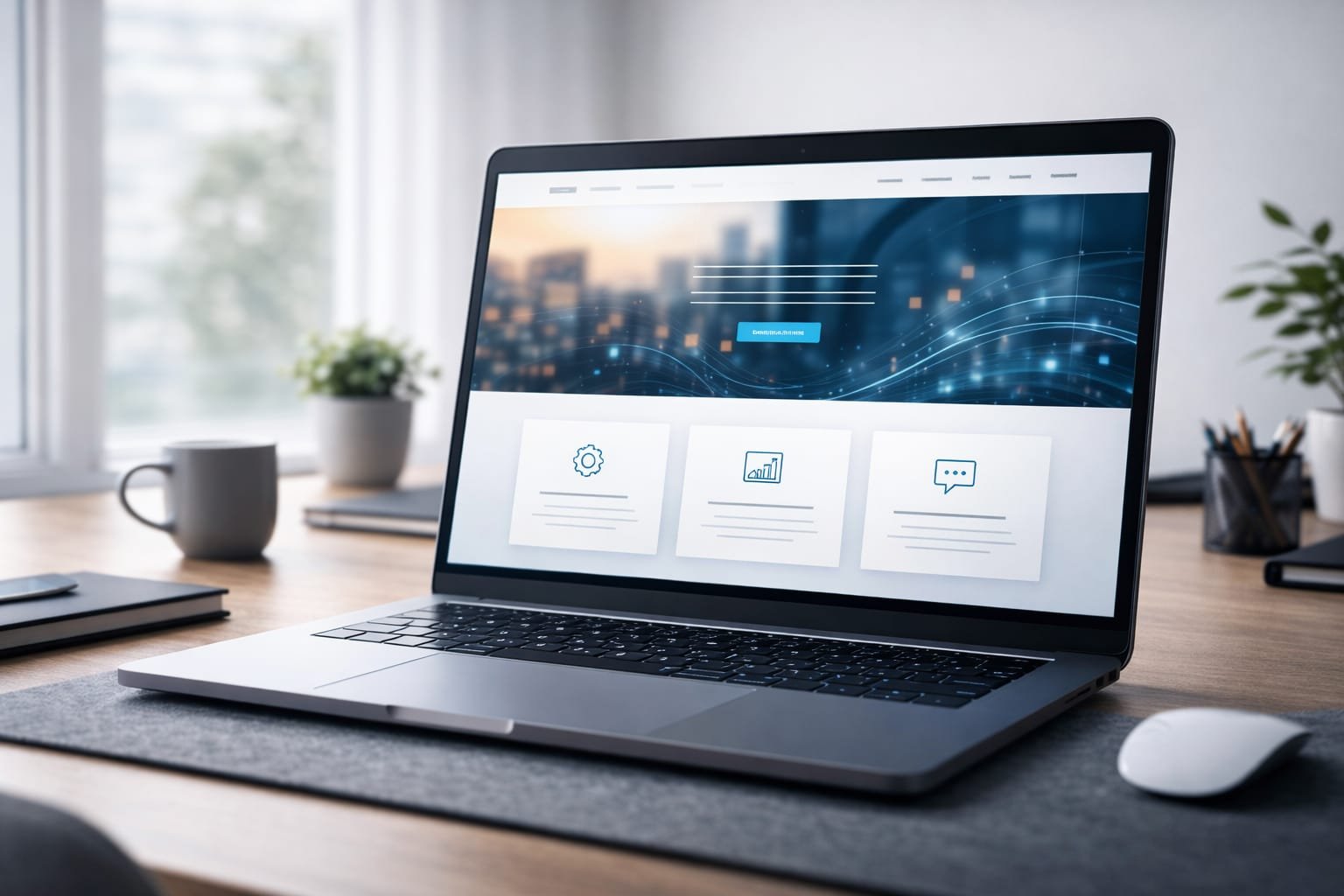
Beyond just "looking professional," a well-built website is a multi-function business tool. Here's what it genuinely delivers:
- Establishes credibilityThis is not optional.
- Generates leads around the clock — Contact forms, booking systems, and quote requests work while you sleep.
- Improves customer service — FAQs, service descriptions, and pricing information reduce repeat phone calls.
- Expands your reach — A local business can attract customers from across the country — or world — with proper SEO.
- Controls your narrative — Social media platforms control how your content is seen. Your website doesn't.
- Integrates with marketing — Email campaigns, Google Ads, social posts all drive traffic back to your site.
The "Social Media Is Enough" Myth
This is the one I hear most often, and it's the most dangerous misconception. Social media platforms are rented land. Instagram tweaks what content gets promoted. TikTok gets banned in a country. Twitter becomes X becomes something else entirely.
Your website is owned land. Nobody can take your domain from you (assuming you keep paying for it). Nobody can change how your homepage looks without your permission. No algorithm decides whether your contact page appears to users.
Use social media to drive traffic. Use your website to convert it. That's the relationship — and it only works when both halves exist.
What Makes a Business Website Actually Work in 2026
Not all websites are created equal. A poorly designed website can actually hurt you more than having no website. Here are the non-negotiables for a business site that performs:
Mobile-first design
More than half of all web traffic worldwide now comes from phones. If your site doesn't work beautifully on a phone, you're losing more than half your potential customers at the door.
Fast loading speed
Under 3 seconds is the target; under 2 seconds is excellent.
Clear calls to action
Every page should answer the question: what do I want this visitor to do next? Book a call? Fill out a form? Read a case study? Guide them deliberately.
Local SEO if you're location-based
Google Business Profile linked to your site, local keywords, and proper schema markup are not optional for businesses that serve a geographic area.
Trust signals
Testimonials, certifications, awards, client logos, years of experience — humans are pattern-matchers. Give them the patterns that say "safe to trust."
The Cost of Not Having a Website
Every day without a professional website is a day where potential customers find your competitors instead. It's a day where someone who was referred to you checks the internet, finds nothing credible, and quietly moves on. It's a day where your business exists in a bubble, cut off from the largest marketplace in human history.
The good news: building a professional website doesn't have to be expensive or complicated. With the right developer and a clear brief, a business website can be live in weeks — and generating returns for years. The investment pays for itself faster than almost any other marketing spend.
So if you're still on the fence — consider this your sign. The question in 2026 is no longer "do I need a website?" The question is "how long can I afford not to have one?"