New here? Start here1.08L on YouTube9 books500+ poems4 practices
VJ VJ CLASSESCourses · Notes · Tests
VJ
VINAY JAGLAN & ASSOCIATESTax · GST · Compliance Practice

Talks, workshops, panels and discussions across philosophy, psychology and rational thinking — especially anywhere a room is willing to hear an argument it may not like.

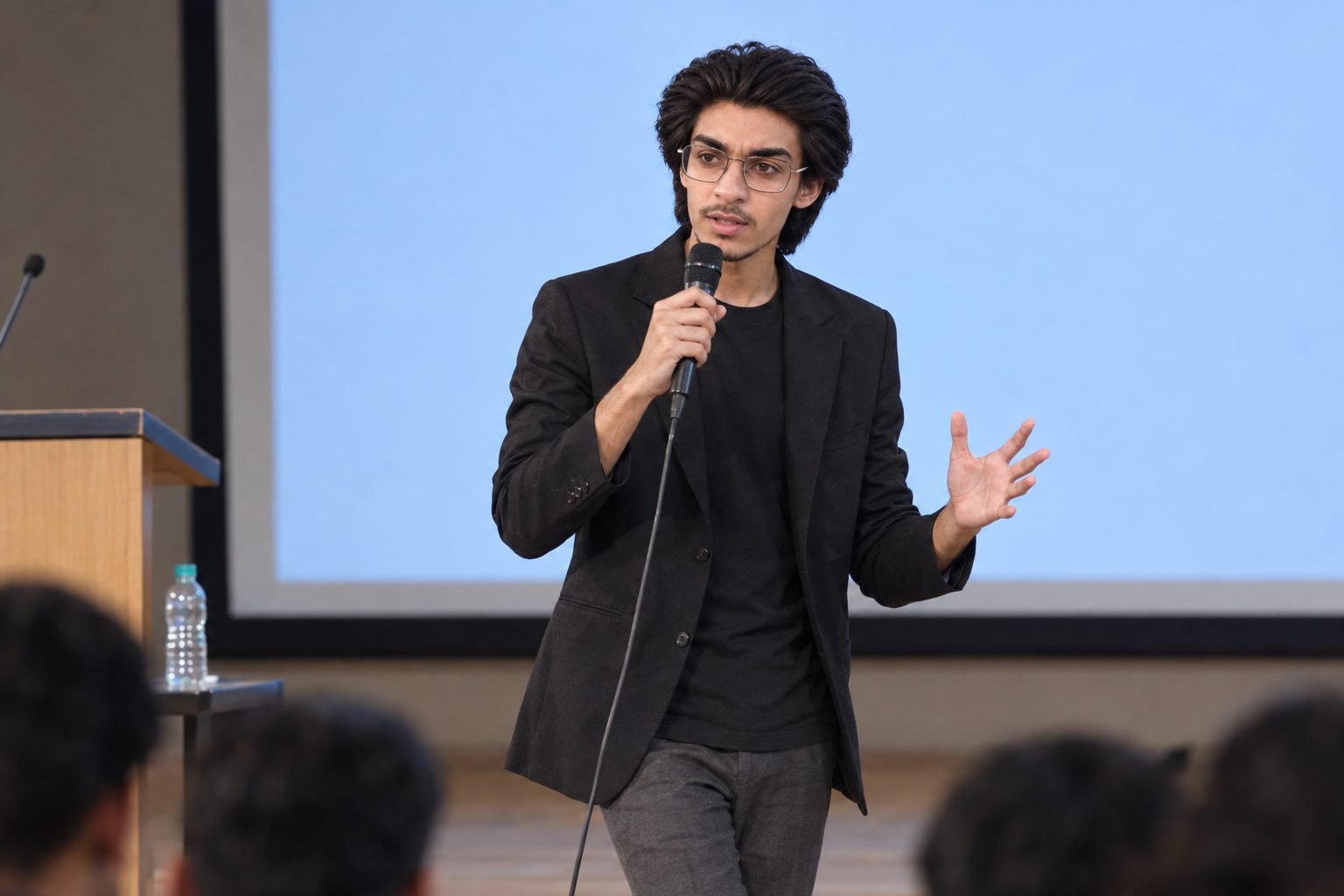

Pick the shape that fits your room. Each can be in Hindi, English or a mix.
A single idea taken seriously for forty minutes, then opened to questions — the part that usually goes longest.
Hands-on sessions on spotting bad arguments, motivated reasoning and the tricks a clever mind plays on itself.
Seminars and guest lectures for departments of philosophy, psychology and the social sciences.
A voice on panels about religion, caste, education and public reasoning — prepared to disagree politely.
Sessions for students on thinking independently, choosing a path and handling the pressure to conform.
Long conversations on philosophy, rational thinking and the psychology of belief.
Drawn from the essays and the channel. Any of them can be shaped for your audience.
Prefer something else? Send the theme your audience is arguing about — that is usually the best talk.
Five steps from the first message to the session.
Send the event details — the more specific, the faster the answer.